
The Comprehensive Guide to Professional Auto Glass Replacement
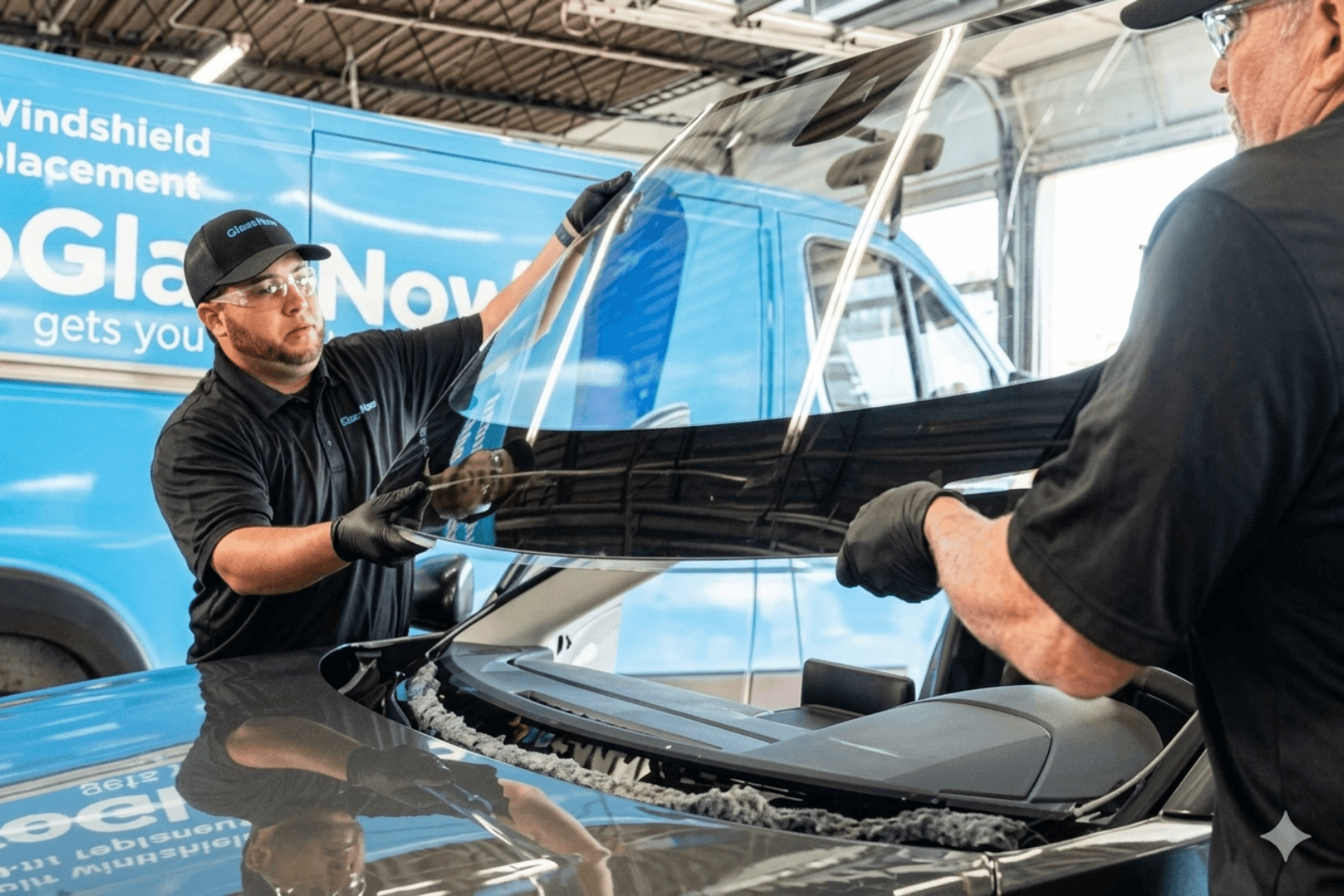
When you’re behind the wheel, that clear view of the road ahead is your primary connection to staying safe. Most of us don't think twice about our car windows until a stray pebble kicks up from a truck or a sudden temperature shift causes a crack to show up out of nowhere. It’s easy to shrug these things off as a minor annoyance, but in reality, a damaged windshield is a compromised safety system. These aren't just cosmetic issues; they are early warning signs that your vehicle's structural integrity isn't what it should be.
This guide is designed to walk you through the actual engineering, the strict safety protocols, and the technical precision required to keep your car’s transparent surfaces at factory-grade standards.
1. The Engineering Behind Modern Vehicle Glass
To understand why a professional fix is so important, you first have to realize that car windows aren't made of the same stuff as the glass in your house. Your windshield is a marvel called "laminated safety glass." It’s basically a glass sandwich: two layers of glass fused together by a thin, sticky, clear layer of polyvinyl butyral (PVB).
This "sandwich" design does two huge things. First, it makes sure that if the glass breaks, it doesn't shatter into thousands of sharp, jagged daggers that could hurt you. Instead, the broken pieces stay stuck to that internal plastic layer. Second, it creates a rigid barrier that helps the entire vehicle hold its shape during an impact. Your side and rear windows, on the other hand, are usually "tempered glass." This glass is heat-treated to be much stronger than normal glass, and it's designed to crumble into small, dull pebbles if it gets hit hard enough, rather than breaking into dangerous shards.
2. The Structural Role in Accidents
Most people assume that the metal pillars of a car provide all the strength during a crash. While the frame is definitely vital, the glass panels actually act as a "stressed member" of the vehicle's body. They aren't just there to look through; they help hold the car together.
- Rollover Protection: In the unfortunate event that a vehicle flips over, the front pane provides up to 60% of the structural support needed to keep the roof from caving in on the passengers. A cracked pane lacks the tension required to hold that massive weight, which drastically increases the risk of a roof collapse.
- Airbag Deployment: This is a fact many drivers are surprised to learn: your passenger-side airbag is actually designed to bounce off the inside of the windshield before it expands toward the person in the seat. If the glass is improperly installed or weakened by a crack, the force of the airbag popping out (which happens with incredible speed) can actually blow the glass right out of the frame. If the glass fails, the airbag has nothing to push against, meaning it won't be there to protect the occupant.
3. Identifying the Need for a Full Swap
There is a common misconception that every little bit of damage can be "filled" with a quick resin kit from the local auto parts store. While repairs are great for tiny pits or "bullseyes," they are not a permanent fix for significant damage. A total auto glass replacement becomes the only safe path forward once specific safety criteria are met.
If a crack is longer than three inches, or if a chip is larger than a standard coin, the structural bond of those laminated layers is likely broken beyond repair. Furthermore, where the damage is located is a huge deal. If a crack reaches the very edge of the glass, it has compromised the "seal" that holds the unit to the car's frame. In cases like that, the normal vibrations from the road will eventually cause that crack to spread across the entire surface, making a full installation unavoidable for your safety.
4. The Impact of Technology: ADAS Calibration
We are currently living in the era of the "smart car." Modern vehicles are equipped with Advanced Driver Assistance Systems (ADAS). These systems are what allow your car to handle things like the following:
- Automatic Emergency Braking (AEB)
- Lane Departure Warning (LDW)
- Adaptive Cruise Control
- Rain Sensors
Most of these systems rely on high-tech cameras and sensors mounted directly behind your rearview mirror, looking out through the front glass. When a new unit is installed, these cameras are physically moved. Even a tiny shift, literally a single millimeter, can result in the camera "seeing" the road incorrectly. Imagine your lane-keep assist thinking the white line is two feet to the left of where it actually is. This is why professional shops now include "static" or "dynamic" calibration as part of the service. They use laser-guided targets to make sure the car’s computer and the new glass are perfectly synchronized.
5. The Professional Installation Process: Step-by-Step
A high-quality installation is almost like a surgical procedure for your vehicle. It is not something that should ever be rushed if you want it done right.
- Step 1: Preparation and Protection: The technician begins by covering the hood and the interior dashboard. This prevents any stray glass shards or chemical primers from damaging your paint or the upholstery. The wipers and the plastic panels at the base of the hood are removed to expose the entire edge of the glass.
- Step 2: The Cut-Out: Using specialized fiber lines or power tools, the technician cuts through the old urethane adhesive. They have to be incredibly careful not to scratch the "pinch weld" (the metal frame). Scratches on the metal can lead to hidden rust, which eventually causes the seal to fail and leads to those annoying water leaks.
- Step 3: Cleaning and Priming: The frame is cleaned of all old debris and dirt. A specialized primer is then applied to the metal. This primer stops corrosion and provides a chemical "anchor" for the new glue to bond with.
- Step 4: Applying the Urethane: Professional installers use high-viscosity urethane. This isn't stuff you find at a hardware store; it is a structural adhesive designed to withstand thousands of pounds of pressure. It is applied in a consistent "V-bead" to ensure there are no air gaps.
- Step 5: Setting the Glass: Using industrial-strength suction cups, the new glass is lowered into the frame. It must be perfectly centered to avoid wind noise or whistling at high speeds.
6. The "Safe Drive-Away Time" (SDAT)
One of the biggest mistakes a car owner can make is driving away too soon after the job is done. The adhesive needs time to "cure" or harden. Depending on the humidity and the temperature outside, this can take anywhere from one to several hours. If you drive away before the SDAT, and you happen to get into even a minor accident, the glass could literally fly off the car because the glue hasn't bonded yet. Always ask your technician for the specific wait time for the materials they used.
7. Myths vs. Reality
- Myth: "Mobile services are low quality." Reality: As long as the weather is clear and dry, mobile technicians use the same tools and high-grade urethane as a physical shop. The quality depends on the skill of the technician, not where the car is parked.
- Myth: "A small crack won't fail an inspection." Reality: In many regions, any damage in the "acute area" (the space directly in front of the driver) is an automatic safety failure. Inspectors know that cracks catch the light of oncoming headlights, creating a blinding glare.
- Myth: "Cheap glass is the same as OEM glass." Reality: Original Equipment Manufacturer (OEM) glass is made to the exact specifications of your car's maker. market" glass might be slightly thinner or have slight distortions at the edges.
8. Maintenance Tips for Longevity
To protect your investment and make sure that new seal stays perfect, consider these tips:
- Avoid the Car Wash: For the first 48 hours, stay away from automatic washes. High-pressure water and spinning brushes can shift the glass while the glue is still curing.
- The "Air Pressure" Rule: When you close a car door, air pressure builds up inside. If the windows are rolled up tight, that pressure can push against the wet seal. For the first day, leave a window cracked open about an inch to let the air escape.
- Check Your Wipers: Old, hardened wiper blades act like sandpaper on fresh glass. Replacing your blades when you get a new windshield is the best way to prevent micro-scratches from ruining your view.
9. Environmental Considerations
Did you know that glass is one of the most difficult materials to recycle when it is laminated? Because of the plastic PVB layer, most old windshields end up sitting in landfills for decades. By addressing chips early through repair, you are actually helping the environment by keeping that material on your car and out of the trash. However, if a swap is necessary, many modern facilities are now finding ways to separate the plastic and glass for industrial reuse.
10. Conclusion: Peace of Mind on the Road
Your vehicle is a complex machine where every single part serves a purpose. The transparent panels are your shield against the elements and your primary safety barrier in a crisis. By choosing a professional team that understands the nuances of structural adhesives and electronic calibration, you aren't just fixing a window; you are restoring the original safety ratings of your car. Driving with clear, uncompromised glass is a fundamental part of responsible vehicle ownership. Don't wait for a small crack to become a major hazard. Take the time to consult with experts and ensure that your view of the road remains crystal clear.
Kyler Steele
Auto Glass Expert