
The Hard Truth About Auto Glass Replacement: What Your Mechanic Won't Tell You
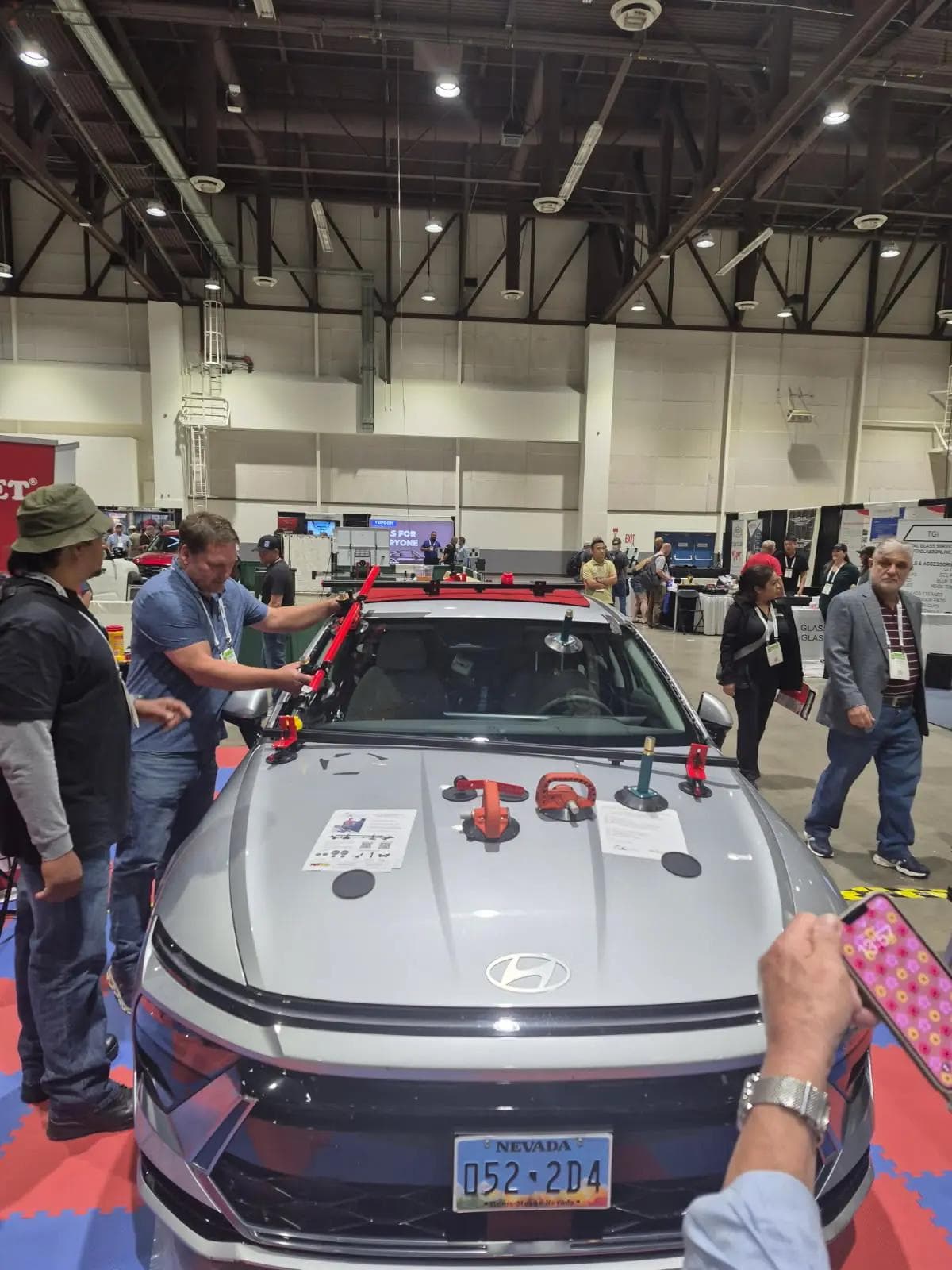
When you’re flying down the highway at 70 mph, there is only a thin, laminated layer of glass standing between you and the elements. Most people treat their windshield like a smartphone screen; if it cracks, it’s an eyesore, but it still works, right? Wrong. In the world of automotive safety, your glass is a structural pillar. It’s the difference between a roof holding up during a rollover and a total collapse. If you’ve ever wondered why a tiny pebble chip can turn into a spiderweb overnight, or why your new car’s "lane assist" starts acting crazy after a window swap, you need to understand the heavy lifting your glass actually does.
The Hidden Skeleton of Your Car
Let’s talk physics. Modern vehicles are designed as "pressure vessels." When an airbag goes off, it hits the windshield with enough force to knock a human unconscious. If that glass isn’t bonded perfectly to the metal frame, the airbag will simply push the glass out of the car and inflate into the empty air outside. You lose your primary safety cushion in a split second.
Beyond that, the windshield provides nearly 40% of the cabin's structural strength. In a crash where the car flips, the glass acts like a literal pillar. If the seal is old, or if the glass was replaced by a "budget" shop using cheap glue, that pillar crumbles. We aren't just talking about visibility here; we are talking about the cage that keeps you alive.
Why Small Chips Are Ticking Time Bombs
The reason professionals tell you to fix a chip immediately isn't just to take your money. Glass expands and contracts. If you park your car in the sun on a 90-degree day, the glass molecules stretch. If you then hop in and blast the icy air conditioning, they snap back. That tiny bit of air trapped in a rock chip acts like a wedge. It forces the glass apart, creating a "run" that can't be repaired.
Once a crack passes the size of a dollar bill, the laminate, the plastic layer between the glass sheets, is compromised. At that point, there is no "fixing" it with resin. You are looking at a full auto glass replacement to restore the car to factory safety standards.
The Nightmare of ADAS Calibration
If you drive a car made in the last few years, your windshield is basically a high-tech lens. Behind that glass sits a cluster of cameras and radars known as ADAS (Advanced Driver Assistance Systems). These cameras "see" the lines on the road and measure the distance to the car in front of you.
Here is the kicker: even a tiny 1-degree tilt in the glass installation can make the camera think the car in front of you is three feet further away than it actually is. If your "automatic braking" kicks in three feet too late, it’s useless. A human technician has to go in with a computer, set up physical targets in a bay, and "handshake" with the car's computer to make sure the digital world matches the real one. If a shop offers you a "cheap" price but doesn't mention calibration, run the other way.
OEM vs. Aftermarket: The Dirty Secret
You’ll often hear the terms OEM (Original Equipment Manufacturer) and OEE (Equivalent). Think of it like a name-brand medicine versus a generic. They have the same active ingredients, but the "fillers" are different.
- OEM Glass: It fits perfectly, has the right tint, and the thickness is exact.
- Aftermarket: Might have slight "waves" or distortions at the edges. It might be a hair thinner, which leads to more wind noise when you're on the highway.
If you’re a perfectionist who hates that whistling sound at 60 mph, insist on OEM. It costs more, but your ears (and your resale value) will thank you.
The "Pinch Weld" and the Danger of Rust
One thing most drivers never see is the "pinch weld," the metal track where the glass sits. To remove an old windshield, a tech has to use a metal wire or a vibrating knife to cut the old glue. If they are sloppy and scratch the paint on that metal track, it stays hidden under the new glass.
Within a year, moisture gets in. Because the paint is scratched, the metal starts to rust. By the time you see a bubble of rust on your roof, the damage is done. The glass is no longer bonded to solid metal; it’s bonded to "metal flakes." A real pro will always prime any scratches to prevent this "cancer" from eating your car from the inside out.
Understanding the Cure Time
We live in a "microwave" society where we want everything now. But chemical bonds don't care about your schedule. The urethane adhesive used to stick glass to metal needs time to "cross-link" its molecules.
If you drive away five minutes after the glass is set and hit a speed bump, the glass can shift. You might not notice it immediately, but months later, you’ll have a mysterious water leak that ruins your car’s headliner or shorts out your dashboard electronics. The "Safe Drive-Away Time" is usually about an hour for high-end glue, but the full cure takes 24 hours. Don't go to a car wash, don't slam your doors with the windows rolled up (the air pressure can literally pop the seal), and leave that ugly blue tape on for at least a day.
The Role of Insurance and Scams
Glass work is a magnet for "parking lot scams." You’ve probably seen guys at gas stations offering to fix your windshield for "free" through your insurance. Be careful. They often use low-grade resins that turn yellow in the sun, or, worse, they file "replacement" claims for simple "repairs," which is insurance fraud.
Always go to a brick-and-mortar shop. Check for their certifications. A real shop stands by its work with a lifetime warranty against leaks. If they don't have a physical address, you won't be able to find them when your dashboard starts leaking in the next rainstorm.
Why You Shouldn't Wait
In the end, it’s about peace of mind. A clear, solid windshield makes the car feel newer, quieter, and safer. It’s the most used "tool" in your car; you look through it every single second you’re driving.
Don't let a $50 chip turn into a $1,000 headache. Keep your eyes on the road, but every once in a while, take a close look at the glass you're looking through. If it's pitted, scratched, or cracked, it's time to take action. Your car is a complex machine, and the glass is its most underrated component. Treat it with the respect it deserves, and it will keep you and your family safe for miles to come.
Kyler Steele
Auto Glass Expert